

















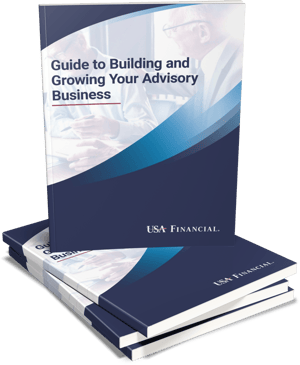
While the trend toward AUM has been growing for the past decade, there appears to be a perfect storm triggering demand. The current market conditions have investors clamoring for active participation in the stock market. Meanwhile, regulatory changes seemingly favor the business model where conflicts of interest can be reduced or eliminated.
If your business is currently more transactional-based and you’re considering the move to fee-based investment advisory services—or just beginning to build your AUM - you’re in the right place. This guide will share 30-years of insights, tools, and best practices for growing and managing AUM, even if you’ve never managed assets before.
Contents
- Getting Started: Setting yourself up for success.
- Understanding TAMPs.
- Legal stuff.
- A different kind of growth.
- Your questions answered.
Getting started: Setting yourself up for success.
Are you an asset manager or an asset gatherer?
The answer to this question will help you make important decisions in how you set your business up in the AUM space.
Asset managers typically focus their time on directly researching and managing their clients' assets. This is a hands-on approach and requires a significant time commitment and specific skill set.
Asset gatherers outsource much of the research and management of the assets and tend to focus on cultivating relationships.
While these are both very different approaches, there isn’t a right or wrong answer. Each choice comes with its own set of pros and cons.
The more traditional model is the hands-on, asset management approach. The advisor has full responsibility of researching and investing client assets. For those that have a passion for investing, this can be great. Especially when things are going well. It can also be a tremendous undertaking. These advisors need to stay current in their research and often seek out reliable research partners. Advisors that consider themselves asset managers typically seek out a trading platform that affords them the flexibility they need to manage assets in the manner they prefer.
Those that chose an asset gathering model tend to focus their attention on the relationship building side of the business. As a result, finding the right partners to outsource the asset management process is critical. For advisors new to AUM, this is often the more practical starting point as it allows you to focus on what you already do well—building client relationships—while you learn the advisory business
Choosing a Platform/Custodian
As an advisory practice new to AUM, you’ll need to select a custodian to hold the client assets and a platform to manage them. Here’s what to consider based on your approach:
Asset managers generally need a custodian and trading platform that allows them to manage assets in a cost-effective manner. However, there is more to the decision than just evaluating investment management costs. Asset managers must consider the costs for billing, reporting, ongoing analysis, and proposal software tools. The total cost of doing business needs to be considered as each custodian and platform offers something a little different; piecing together each service separately can end up costing considerable time, resources, and efficiency.
Asset gatherers will want to put their focus on finding a platform that affords them choice and access to third party money managers who provide a diverse set of strategies to help meet the investment needs of their clients.
It may seem that these two types of advisors need vastly different platforms, but that is no longer the case. The AUM space has evolved dramatically over the past two decades. The old way of working with third-party managers was to do business account-by-account and establish solicitor agreements individually with each manager. This resulted in advisors needing to manage multiple accounts for each client, often through multiple custodians. While this still happens in some circumstances, the vast majority of advisory business is done through Turnkey Asset Management Platforms (TAMPs).
Related Posts
What's Trending: 250 Years of American Culture and Market History
As America celebrates its 250th anniversary, this July episode of The Trending Report takes a fascinating journey through the nation's cultural and financial evolution. From the penny press and canal stock speculation of the 1800s to the rise of television, social media, and artificial intelligence, Tyler Krzciok explores how technological innovation has consistently transformed both pop culture and the stock market. Discover the recurring patterns that connect major cultural shifts, investor behavior, market booms, and historic downturns—and learn why understanding these long-term trends can help investors maintain perspective in today's rapidly changing world.
What’s Trending: Oil Shock & the K-Shaped Economy Explained
In this June episode of The Trending Report, Tyler Krzciok breaks down two major forces shaping markets right now: a global oil supply disruption and the growing reality of a K-shaped economy. With critical energy routes tightening and costs rippling through global supply chains, investors are already seeing the effects at the pump—and at the checkout line. At the same time, markets and consumers are splitting into two distinct paths, with AI-driven sectors and large corporations gaining ground while smaller businesses and households face increasing pressure. Tyler explains what these trends mean, what to watch next, and how disciplined investors can stay focused amid uncertainty.

What is a TAMP and Why Do Advisors Use Them?
The financial services industry is a whirlwind of change: New rules, products, and evolving technologies that can quickly overwhelm even the most seasoned advisor. Add to that the juggling act of managing daily demands and operational tasks while building your ideal practice. No wonder so many advisors feel like they’re just winging it year after year.